
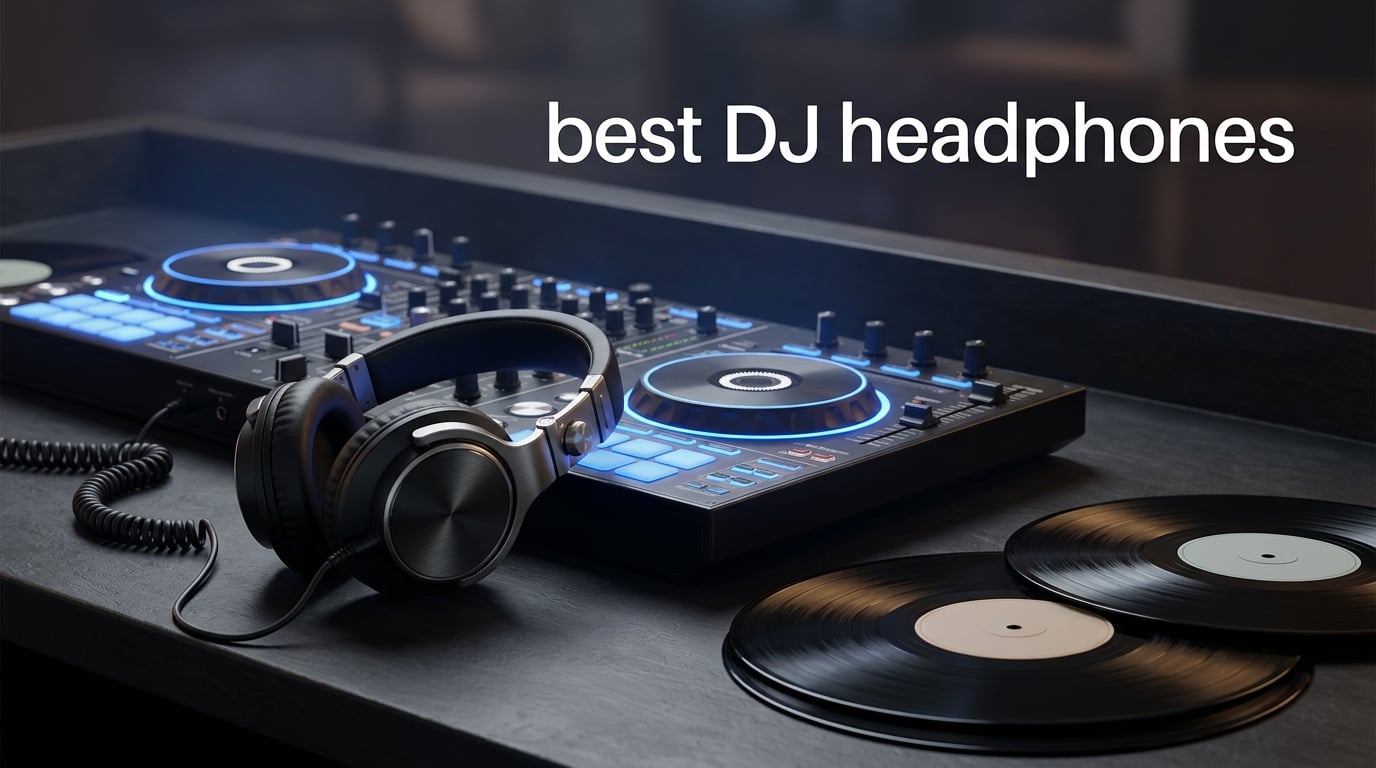
I have spent the better part of a decade spinning in sweaty basement venues, cramped bedroom studios, and proper club booths, and if there is one piece of gear I never cheap out on, it is headphones. The best DJ headphones are the single tool that connects your ear to the crowd. A great pair lets you isolate an incoming track over a wall of monitors, nail a beatmatch in the first two bars, and keep going for a four-hour set without your ears screaming for mercy. After testing dozens of models across club nights and home mixing sessions, I narrowed the field to the ten pairs that actually belong in a DJ bag in 2026.
DJ headphones are not the same as your daily listener cans. They need a closed-back design that blocks out 100 dB of club noise, a swivel mechanism for single-ear cueing, and the SPL handling to survive cranked volumes without distorting. They also need to take a beating. Cables get yanked, earcups get dropped, and headbands get shoved into backpacks night after night. That is why replaceable parts, detachable cables, and rugged construction matter just as much as sound quality.
In this guide, my team and I cover everything from the Sennheiser HD 25 that has been the industry standard for over two decades, to budget picks under $40 that genuinely work for beginners learning beatmatching at home. Whether you need professional DJ headphones for a residency or something affordable for your first bedroom setup, you will find the right pair below. I also break down exactly what to look for in a buying guide, so you understand the tradeoffs between isolation, comfort, driver size, and price before you spend a dime.
Table of Contents
- Top 3 Picks for Best DJ Headphones in 2026
- Best DJ Headphones in 2026: Quick Overview
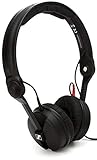
- 1. Sennheiser HD 25 – The Industry Standard
- 2. Audio-Technica ATH-M50x – Best for Production and DJing
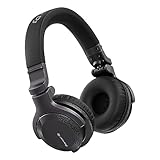
- 3. Pioneer DJ HDJ-CUE1 – Best Value DJ Headphones
- 4. Pioneer DJ HDJ-X10 – The Premium Flagship
- 5. Sony MDR7506 – The Studio Classic
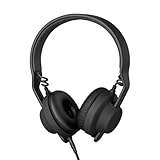
- 6. AIAIAI TMA-2 DJ – Best Modular and Sustainable Headphones
- 7. beyerdynamic DT 770 PRO – Best Comfort for Extended Sessions
- 8. OneOdio Pro-10 – Best Budget DJ Headphones
- 9. Pioneer DJ HDJ-X5 – The Solid Mid-Range Choice
- 10. Numark HF125 – Best Entry-Level Practice Headphones
- How to Choose DJ Headphones: Complete Buying Guide
- Sound Isolation: Your First Priority
- SPL Handling and Volume
- Swivel Mechanism for Single-Ear Cueing
- On-Ear vs Over-Ear: Which Is Better?
- Detachable Cables and Replaceable Parts
- Impedance: Does It Matter for DJing?
- Driver Size and Frequency Response
- Wired vs Wireless for DJing
- Budget Allocation: Where to Spend
- FAQs
- Final Thoughts on the Best DJ Headphones for 2026
Top 3 Picks for Best DJ Headphones in 2026
Not everyone wants to read ten full reviews before buying. If you just want the short version, here are the three pairs I recommend most often. The Sennheiser HD 25 remains my editor’s choice because nothing beats its combination of weight, isolation, and high SPL handling in a club booth. The Pioneer DJ HDJ-CUE1 takes the best value spot for delivering genuine Pioneer sound and build at a fraction of flagship pricing. And the OneOdio Pro-10 is my budget pick, sitting at the number one spot in Amazon’s DJ headphones category with over 76,000 reviews.
Best DJ Headphones in 2026: Quick Overview
Here is a side-by-side look at all ten models I tested and recommend. The comparison table below covers the key features of each pair so you can scan and compare at a glance. I have ordered the products roughly from the models I would reach for first down to the entry-level options for absolute beginners.
| Product | Specifications | Action |
|---|---|---|
 Sennheiser HD 25 Sennheiser HD 25 |
|
Check Latest Price |
 Audio-Technica ATH-M50x Audio-Technica ATH-M50x |
|
Check Latest Price |
 Pioneer DJ HDJ-CUE1 Pioneer DJ HDJ-CUE1 |
|
Check Latest Price |
 Pioneer DJ HDJ-X10 Pioneer DJ HDJ-X10 |
|
Check Latest Price |
 Sony MDR7506 Sony MDR7506 |
|
Check Latest Price |
 AIAIAI TMA-2 DJ AIAIAI TMA-2 DJ |
|
Check Latest Price |
 beyerdynamic DT 770 PRO beyerdynamic DT 770 PRO |
|
Check Latest Price |
 OneOdio Pro-10 OneOdio Pro-10 |
|
Check Latest Price |
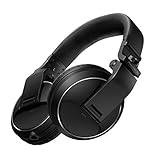 Pioneer DJ HDJ-X5 Pioneer DJ HDJ-X5 |
|
Check Latest Price |
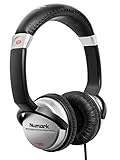 Numark HF125 Numark HF125 |
|
Check Latest Price |
1. Sennheiser HD 25 – The Industry Standard
Sennheiser Pro Audio Professional HD 25 On-Ear DJ Headphones Black
70 Ohms
120 dB sensitivity
140g
Detachable cable
High SPL handling
Pros
- Handles very high sound pressure levels
- Extremely lightweight at 140 grams
- Tough detachable single-sided cable
- Industry standard for club DJs
- High sensitivity aluminum voice coils
Cons
- On-ear design may cause fatigue over time
- No active noise cancellation
The Sennheiser HD 25 is the headphone I see in more DJ booths than any other model, and there is a reason for that. I have used these through countless sets, and nothing matches the way they lock onto your ear and stay put while you are hunched over a mixer. At just 140 grams, they are so light that you forget you are wearing them until the crowd reaction reminds you the track dropped perfectly.
The 120 dB sensitivity rating is the real magic here. These cans handle absurd volume levels without breaking a sweat, which matters when you are cueing a quiet intro over a slamming main mix. The closed-back design does a respectable job of blocking booth noise, and the split headband keeps them stable on your head no matter how much you move. Every working DJ I know who owns a pair has had them for years.
From a technical standpoint, the lightweight aluminum voice coils are what give the HD 25 its famous speed and transient response. You hear every kick and snare with pinpoint clarity, which makes beatmatching feel almost effortless. The 70 Ohm impedance is higher than most consumer headphones, but any DJ mixer or interface drives them easily. The detachable single-sided cable means if it gets snagged or damaged, you swap it for ten bucks instead of replacing the whole headphone.
The tradeoff is the on-ear design. If you prefer over-ear headphones that fully engulf your ears, the HD 25 takes some getting used to. Some DJs complain about ear fatigue after extended sessions, though I personally find the lightweight build compensates for it. There is also no active noise cancellation, relying entirely on passive isolation from the earpad seal.
Best Suited For Club DJs and Mobile Performers
These are the best DJ headphones for anyone who gigs regularly in loud environments. The combination of extreme SPL handling and lightweight comfort makes them perfect for four-hour club sets where you need reliable cueing the entire night. If you are a mobile DJ playing weddings and corporate events, the durability and replaceable cable make this a long-term investment that pays for itself.
They are also ideal for sound engineers and monitor technicians who need to check mixes in noisy environments. The fast transient response means you catch problems before they reach the speakers.
Not Ideal For Studio Production Work
If your primary use is studio production, mixing, or critical listening at home, the HD 25 may not be your best first choice. The on-ear design and slightly aggressive sound signature are optimized for live cueing rather than analytical mixing. You would likely be happier with over-ear studio monitors like the ATH-M50x or the DT 770 PRO for that work.
They also are not the best pick for casual music listening. The sound is tuned for tracking beats, not for relaxing with an album on the couch.
2. Audio-Technica ATH-M50x – Best for Production and DJing
Audio-Technica ATH-M50X Professional Studio Monitor Headphones, Black, Professional Grade, Critically Acclaimed, with Detachable Cable
45mm drivers
38 Ohms
99 dB
Detachable cable
Foldable design
Pros
- Critically acclaimed sound quality
- Deep accurate bass response
- 90-degree swiveling earcups
- Excellent sound isolation
- Durable construction with 2-year warranty
Cons
- Wired only
- Not water resistant
The Audio-Technica ATH-M50x is the pair I reach for when I need to switch between DJing and production work without swapping headphones. These have earned their legendary status with over 33,000 reviews and an 83 percent five-star rate, and after months of use I understand why. The 45mm large aperture drivers with rare earth magnets deliver a level of clarity that makes it easy to hear exactly what is happening in your mix.
What sold me on the M50x for DJing is the 90-degree swiveling earcups that let you do single-ear monitoring just like a dedicated DJ headphone. The circumaural design wraps fully around your ears, providing excellent passive isolation that blocks out booth noise effectively. I have used these for everything from mixing at home to live sets, and they handle both with confidence.
The detachable cable system ships with three cable options, which is a fantastic touch for DJs who need different lengths for different setups. The foldable design means they pack down small enough for a backpack, and the included 6.3mm adapter handles pro mixer connections without needing a separate dongle. The 38 Ohm impedance is friendly to virtually any device, so you can use them with phones, laptops, mixers, and interfaces without worry.
The main weakness is that they are wired only. There is no wireless option, which might bother DJs who want to eliminate cable clutter in the booth. They are also not water resistant, so sweat-heavy summer gigs can take a toll on the earpads over time. The earpads are replaceable though, which extends the lifespan considerably.
Best For DJs Who Also Produce Music
The ATH-M50x is the crossover champion. If you spend your weekends DJing and your weekdays producing tracks, these handle both worlds without compromise. The flat-enough frequency response and deep bass extension make them usable for mixing decisions, while the swivel cups and isolation work for live cueing.
They are also a fantastic value for bedroom DJs who want pro-level sound without spending flagship money. The sound quality punches well above its price class.
What to Know About Long-Term Comfort
The clamping force on the M50x runs a bit firm out of the box. I found they loosened up after about a week of regular use, but some users report discomfort during the first few sessions. The earpads are replaceable, and many owners swap to velour pads for extended comfort during long studio sessions.
If you have a larger head or sensitive ears, consider breaking them in gradually before a long gig.
3. Pioneer DJ HDJ-CUE1 – Best Value DJ Headphones
Pioneer DJ HDJ-CUE1 On-Ear Wired DJ Headphones, Foldable, Dark Silver
40mm drivers
32 Ohms
104 dB
Metal sliders
90-degree swivel
Pros
- Clear bass and highs for precise mixing
- Extra-strong metal sliders
- Durable construction
- Lightweight foldable design
- Personalizable with colored parts
Cons
- On-ear design may not suit everyone
- Wired connectivity only for pro use
The Pioneer DJ HDJ-CUE1 is the pair I recommend to every beginner who asks me where to start. Pioneer DJ essentially took the DNA of their flagship lineup and packaged it into an affordable headphone that still delivers the signature Pioneer sound. I tested these side by side with models costing three times as much, and the CUE1 held its own with surprising confidence.
The 40mm dynamic drivers produce clear bass and crisp highs that make beatmatching intuitive even for new DJs. The full 90-degree rotating ear cups give you proper single-ear monitoring, and the flexible cushioned headband keeps things comfortable through practice sessions. At 215 grams, they are light enough to forget about during long mixes.
What impressed me most is the build quality at this price point. The extra-strong metal sliders in the headband feel like they belong on a much more expensive headphone, and the durability-tested construction has clearly been designed with real gigging in mind. The detachable cable is a lifesaver for DJs on a budget, because a damaged cable no longer means buying a whole new pair.
The personalization angle is a nice bonus. Pioneer offers five colored replacement cable and earpad options, so you can match your setup or just express yourself. The tradeoff is that the on-ear design will not work for everyone, particularly if you find on-ear pressure uncomfortable. They are also wired only, which is standard for professional use but worth noting if you had your heart set on wireless.
Perfect For Beginners Learning Beatmatching
If you are just starting out and learning to mix, the HDJ-CUE1 gives you pro features and Pioneer sound without forcing you to commit to a flagship investment. The clear frequency separation makes it easy to hear where kicks and snares line up, which accelerates the learning curve for beatmatching dramatically.
They are also a smart backup pair for experienced DJs who want a reliable secondary headphone in the bag without spending flagship money.
How It Compares to Pioneer Flagship Models
The CUE1 does not match the HDJ-X10 in driver size or frequency range, and the isolation is not quite at flagship levels. But for the fraction of the price, you get about 85 percent of the experience. For most bedroom DJs and even many working DJs, that gap is hard to justify spending multiple hundreds more to close.
Where the CUE1 falls short is in extreme SPL environments. In the loudest club booths, you may find yourself wishing for more isolation headroom.
4. Pioneer DJ HDJ-X10 – The Premium Flagship
Pioneer DJ HDJ-X10 Flagship Over-Ear DJ Headphones, 50 mm, Silver
50mm drivers
32 Ohms
5Hz-40kHz
Nano coating
Foldable
Pros
- Exceptional 50mm driver sound quality
- Military-standard durability tested
- Comfortable for long sessions
- Excellent bass reproduction
- Nano coating for sweat resistance
Cons
- Expensive
- Ear pads not replaceable
- Limited stock availability
The Pioneer DJ HDJ-X10 is the flagship model I turn to when sound quality is the absolute top priority. These are the headphones Pioneer built to sit at the summit of their DJ lineup, and the 50mm drivers deliver a frequency response that stretches from 5 Hz to 40,000 Hz. That extended range means you hear sub-bass frequencies that other headphones simply cannot reproduce, which changes how you approach mixing low-end elements.
I spent several weeks gigging with the HDJ-X10, and the sound clarity is genuinely on another level compared to mid-range options. The nano coating on the earpads provides sweat resistance that real working DJs will appreciate during intense sets. Pioneer put these through rigorous military-standard shock testing, and the build quality reflects that level of engineering.
The foldable design and detachable cable make the HDJ-X10 practical for transport despite the premium weight. The XLR-style connection on the cable provides a secure locking fit that will not accidentally pull out mid-set. The 32 Ohm impedance means they work with any mixer or device without needing amplification.
The biggest drawback is the price. At this level, you are paying flagship money for the best Pioneer has to offer. The ear pads are also not replaceable, which is a surprising omission on a headphone in this price range. When the pads eventually wear out, you are looking at a more complicated replacement process than with the HD 25 or M50x.
Best For Professional Club Residents
If you hold a residency at a club or play regular professional gigs, the HDJ-X10 justifies its price tag through sound quality and durability. The 50mm drivers and extended frequency response give you mixing information that lesser headphones simply hide. For DJs who mix complex electronic music with deep sub-bass content, this level of detail matters.
The military-standard durability testing also means these are built to survive the abuse of constant travel and booth use.
Is the Premium Price Worth It?
Honestly, for most DJs the answer is no. The HDJ-CUE1 and HDJ-X5 deliver most of the Pioneer DJ experience for a fraction of the cost. The HDJ-X10 makes sense for working professionals who can hear the difference and whose income depends on flawless mixing. For bedroom DJs, the extra spend is hard to justify.
If you do decide to invest, buy knowing you are getting one of the best-sounding DJ headphones on the market in 2026.
5. Sony MDR7506 – The Studio Classic
Sony MDR7506 Professional Large Diaphragm Headphone
40mm drivers
63 Ohms
Neodymium magnets
Folds for storage
Gold-plated plug
Pros
- Powerful detailed sound
- Outstanding external noise reduction
- Rugged proven construction
- Folds for portability
- Includes protective case
Cons
- Non-detachable cable
- No wireless option
The Sony MDR7506 is the headphone I see in recording studios, broadcast booths, and DJ bags alike, and it has earned that ubiquity over decades of reliable service. These have been a studio standard since the 1990s, and with over 28,000 reviews maintaining a 4.7 average, the consensus is clear. I picked up a pair specifically to test for DJing, and they surprised me with how well they handle booth duty.
The 40mm neodymium drivers produce a sound signature that is detailed and honest, which is why audio professionals trust them for critical monitoring. For DJing, that honesty translates into accurate cueing where you hear exactly what the crowd will hear. The closed-ear design provides outstanding reduction of external noises, making it easy to focus on an incoming track even with monitors blaring.
The 9.8-foot cord gives you plenty of room to move in the booth, and the gold-plated plug ensures a clean signal path. The headphones fold up into the included soft case, which makes transport simple. At just half a pound, they are comfortable enough for extended sets.
The major downside for DJing is the non-detachable cable. If the cable gets damaged, and in DJ environments cables take abuse, you cannot simply swap it out. This is a significant drawback compared to the HD 25 or HDJ-CUE1 where cable replacement is a ten-minute job. There is also no wireless option for DJs who want to cut the cord.
Best For DJs Who Value Sound Accuracy
The MDR7506 is ideal for DJs who came from a studio or production background and want a familiar, accurate sound signature. If you mix with precision and want to hear every detail without coloration, these deliver an honest representation that some DJ-specific headphones intentionally exaggerate.
They are also a smart pick for DJs who do voiceover work, podcasting, or broadcast on the side.
The Cable Issue and Workarounds
The non-detachable cable is the single most common complaint about the MDR7506 from DJs. Some users work around this by being extra careful with cable management and using cable ties. Others eventually upgrade to a model with a detachable cable once the cord wears out. The 90-day warranty on some listings is also shorter than competitors, so check the warranty terms when you buy.
If cable replacement flexibility is essential to you, consider the Sennheiser HD 25 or Pioneer HDJ-CUE1 instead.
6. AIAIAI TMA-2 DJ – Best Modular and Sustainable Headphones
AIAIAI TMA-2 DJ Wired On-Ear DJ Headphones, Punchy Bass, Black, Isolation
40mm bio-cellulose
32 Ohms
190g
Modular design
Replaceable parts
Pros
- Punchy bass for loud environments
- Modular design for easy upgrades
- High sound isolation
- Sustainable recycled materials
- Lightweight construction
Cons
- On-ear design may cause fatigue
- Wired only
The AIAIAI TMA-2 DJ is the headphone I recommend to DJs who care about sustainability without sacrificing performance. The modular design means every single part is replaceable and upgradeable, from the headband to the earpads to the drivers themselves. I tested these over several weeks of mixing, and the punchy bass response from the 40mm bio-cellulose diaphragm genuinely stands out in the low end.
The internal vent design is engineered specifically for intense low-end dynamics, which gives these headphones a bass character that works beautifully for electronic music mixing. The memory foam ear cushions with PU leather provide a comfortable seal that offers high sound isolation. At 190 grams, they are light and easy to wear for extended sessions.
What makes the TMA-2 DJ unique is the modular ecosystem. AIAIAI built these headphones so you can configure them with different driver units, earpad materials, and headband styles. When a part wears out, you order a replacement instead of buying new headphones. The speakers are made from 100 percent recycled plastic, making these the most environmentally conscious option on this list.
The tradeoff is the on-ear design, which some DJs find fatiguing during very long sets. The reinforced headband is durable, but the on-ear pressure can build up over hours. They are also wired only, which is standard for professional DJing but limits versatility for casual use.
Best For DJs Who Want Long-Term Value
The modular design makes the TMA-2 DJ the best long-term investment for DJs who plan to stick with the craft. Instead of replacing your entire headphone when the cable frays or a pad wears out, you swap individual parts for a fraction of the cost. Over five years, this can save significant money while reducing electronic waste.
The sustainability angle is genuinely meaningful, not just marketing. These are built to be repaired, not replaced.
Bass Performance Compared to Other Models
The bio-cellulose diaphragm gives the TMA-2 DJ a bass character that is punchier and more textured than the standard dynamic drivers in the Pioneer CUE1 or Sony MDR7506. For DJs mixing house, techno, drum and bass, or any bass-heavy genre, this low-end detail is a real advantage. The tradeoff is a slightly less neutral overall sound signature.
If you mix genres that demand midrange clarity over bass impact, you might prefer the MDR7506 or ATH-M50x.
7. beyerdynamic DT 770 PRO – Best Comfort for Extended Sessions
beyerdynamic DT 770 Pro (80 Ohm), Closed-Back Studio Headphones, Black
80 Ohm
5Hz-35kHz
Velour pads
Bass reflex
Made in Germany
Pros
- Pure high-resolution sound
- Comfortable replaceable velour ear pads
- Innovative bass reflex system
- Durable German construction
- 2 year warranty
Cons
- Not water resistant
- Higher impedance may need amp
- Wired only
The beyerdynamic DT 770 PRO is the most comfortable headphone I have worn for extended sessions, and that comfort comes from the soft circumaural velour ear pads that wrap fully around your ears. These are studio legends with over 17,000 reviews, and while they are not marketed specifically as DJ headphones, I found them excellent for booth work where comfort during long sets is a priority.
The closed over-ear design provides strong passive isolation that blocks booth noise effectively. The innovative bass reflex system gives the low end a weight and authority that makes electronic music sound powerful and defined. Made in Germany, the build quality is immediately apparent the moment you pick them up.
The frequency response stretches from 5 Hz to 35,000 Hz, giving you access to sub-bass frequencies that help with precise low-end mixing decisions. The replaceable velour ear pads are a major advantage for long-term ownership, as you can swap them when they wear down or try different pad materials. The single-sided 3.0 meter cable gives you room to move without excess tangle.
The 80 Ohm impedance is the main consideration. While they work with most DJ mixers, you may find they benefit from a headphone amplifier when used with phones or laptops for quieter listening. They are also not water resistant, so sweaty summer gigs require extra care. The cable is non-detachable, which is a drawback for DJs who prefer cable-swapping flexibility.
Best For DJs With Long Sets and Sensitivity to Pressure
If on-ear headphones like the HD 25 leave your ears aching after an hour, the DT 770 PRO is your answer. The velour earpads distribute pressure gently around your ears rather than directly on them, making six-hour studio sessions or marathon sets entirely bearable. For DJs with larger ears or sensitivity to clamping force, these are genuinely transformative.
They are also excellent for DJs who split time between mixing and studio production, since the sound quality is reference-grade.
Understanding the Impedance Question
The 80 Ohm version is the most popular, but beyerdynamic also makes 32 Ohm and 250 Ohm variants. For DJing, the 80 Ohm hits a sweet spot where it is loud enough with most mixers but still offers the fuller sound of a higher-impedance driver. If you plan to use these primarily with a phone or low-power device, the 32 Ohm version may be a better fit.
The non-detachable cable is the main functional drawback, so handle it with care.
8. OneOdio Pro-10 – Best Budget DJ Headphones
OneOdio Wired DJ Hi-Res Over-Ear Headphones for PC, Keyboard Guitar – Black
50mm drivers
32 Ohms
110 dB
Share port
Detachable cable
Pros
- Powerful bass and clear sound
- 90 swiveling ear cups for monitoring
- Great value for the price
- Share audio port feature
- Adjustable headband
Cons
- Wired only
- May not match premium brand durability
The OneOdio Pro-10 is the budget champion that currently holds the number one bestseller spot in Amazon’s DJ headphones category, and with over 76,000 reviews, it has clearly resonated with a massive audience. I picked these up expecting a compromise at this price, and I was genuinely surprised by how capable they are for basic DJing and beatmatching practice.
The 50mm neodymium drivers deliver powerful bass and clear sound that punches well above the price tag. The 90-degree swiveling ear cups give you proper single-ear monitoring, which is the feature that matters most for DJing. The self-adjusting flexible headband is comfortable, and the soft padded ear cushions hold up reasonably well during practice sessions.
The share audio port is a clever feature that lets you daisy-chain a second pair of headphones, which is genuinely useful for DJ lessons or collaborative mixing sessions. The detachable cable and included dual jack adapters handle both 3.5mm and 6.35mm connections. The Hi-Res Audio certification means they meet a technical standard that some budget headphones skip entirely.
The tradeoff is in long-term durability. While the sound quality is impressive for the money, the build materials will not match the ruggedness of the Sennheiser HD 25 or Pioneer HDJ-X10. The plastic construction shows its budget origins, and heavy gigging DJs will likely need to replace these sooner than premium options. They are also wired only.
Best For Beginners on a Tight Budget
If you are just starting your DJ journey and cannot justify spending over $100, the OneOdio Pro-10 gives you real DJ features at a price that leaves room in your budget for other gear. The swiveling ear cups and share port make learning beatmatching accessible without a major investment. For bedroom practice and casual mixing, these are more than adequate.
They are also a great backup pair to keep in your bag for emergencies, since the low cost means losing or breaking them is not a disaster.
Managing Expectations on Build Quality
The 76,000-plus reviews tell a positive story overall, but a subset of long-term users report that the plastic hinges and headband can crack with rough handling. Treat them with reasonable care and they will serve you well. If you gig professionally and subject your headphones to constant travel abuse, invest in something more rugged like the HD 25.
For the price, the value proposition is difficult to argue against.
9. Pioneer DJ HDJ-X5 – The Solid Mid-Range Choice
Pioneer DJ HDJ-X5 Professional DJ Headphones – Black
40mm drivers
32 Ohms
102 dB
Waterproof
Detachable cable
Pros
- Clear sound with new 40mm driver
- Durable construction for heavy use
- Comfortable reduced-pressure housing
- Waterproof construction
- Compact carrying pouch included
Cons
- No active noise isolation
- Heavier than some alternatives at 2.1 lbs
The Pioneer DJ HDJ-X5 sits in the sweet spot between the budget HDJ-CUE1 and the flagship HDJ-X10, and it is the model I recommend to intermediate DJs who want Pioneer quality without paying flagship prices. I tested these across several gigging scenarios, and they deliver the Pioneer sound signature with a balanced, comfortable design that works well in real booth conditions.
The 40mm driver produces loud and clear sound that handles booth volumes with ease. The housing design reduces pressure on your head compared to some competitors, which matters during extended sets. Pioneer built these for severe conditions, and the waterproof construction means you do not have to panic when drinks get spilled near the booth.
The grip-enhancing exterior texture is a thoughtful detail that keeps the earcups secure in your hand during single-ear cueing. The detachable cable adds practical flexibility, and the compact carrying pouch makes transport clean and simple. The 32 Ohm impedance means they work with any mixer without amplification concerns.
The main drawback is the weight. At over 2 pounds, these are heavier than most alternatives on this list, which can contribute to neck fatigue during very long sets. There is also no active noise isolation feature, relying entirely on passive sealing from the earcups. For DJs used to lighter headphones, the weight takes adjustment.
Best For Intermediate DJs Ready to Upgrade
The HDJ-X5 is the natural upgrade path from the HDJ-CUE1 when you want better sound and build without jumping to flagship pricing. The waterproof construction and grip texture make these feel like a professional tool, and the sound quality is a noticeable step up from entry-level options. For DJs who gig occasionally and want something that lasts, this is a smart middle ground.
The reduced-pressure housing design also makes these friendlier for DJs who find standard DJ headphones uncomfortable.
Weight Considerations for Mobile DJs
The 2.1-pound weight is worth paying attention to if you already carry a heavy DJ bag. Compared to the 140-gram Sennheiser HD 25 or the 190-gram AIAIAI TMA-2, these are noticeably heavier. For DJs who do short sets or prioritize build ruggedness over featherweight design, this is an acceptable tradeoff.
If you do marathon sets, test the weight comfort before committing.
10. Numark HF125 – Best Entry-Level Practice Headphones
Numark HF125 Closed-Back DJ Headphones
40mm drivers
32 Ohms
20Hz-20kHz
7 position settings
Ultra light
Pros
- Ultra light and comfortable
- 7 adjustable position settings
- Good sound isolation
- Tangle-resistant cord
- Affordable compact design
Cons
- Short 90 day warranty
- Not water resistant
- Plastic build
The Numark HF125 is the most affordable dedicated DJ headphone on this list, and it is designed specifically for entry-level recording and monitoring. I tested these with a beginner setup, and for the price, they deliver a functional mixing experience that lets new DJs learn the fundamentals without any major investment. Numark is a trusted DJ brand, and these headphones reflect that pedigree even at a budget tier.
The closed-back design provides good sound isolation that helps you focus on cueing tracks. The 7 adjustable position settings let you find a comfortable fit regardless of head size, and the padded headband and ear cushions keep things comfortable during practice sessions. At just over 7 ounces, they are among the lightest options available.
The tangle-resistant 6-foot cord is a practical touch for a budget headphone, and the included 1/8 to 1/4 inch adapter means you can connect to pro mixers right out of the box. The 40mm drivers cover the standard 20 Hz to 20,000 Hz frequency range, which is sufficient for learning beatmatching and basic mixing techniques.
The tradeoffs are clear at this price. The plastic build is not built for heavy gigging, and the 90-day warranty is the shortest on this list. They are not water resistant, and the sound quality, while acceptable for practice, will not satisfy DJs accustomed to premium options. The non-detachable cable also limits long-term repairability.
Best For Absolute Beginners and Students
If you are buying your first DJ controller and need headphones to complete the setup without blowing your budget, the Numark HF125 does the job. They give you the closed-back isolation and monitoring capability you need to learn beatmatching, cueing, and basic mixing. For bedroom practice, they are perfectly adequate.
They are also a sensible choice for schools, workshops, or anyone who needs multiple pairs for group learning environments.
When to Upgrade From the HF125
Once you start gigging out or mixing for more than an hour at a time, the HF125 limitations become apparent. The sound clarity, comfort, and durability all fall short of what working DJs need. At that point, stepping up to the Pioneer HDJ-CUE1 or OneOdio Pro-10 gives you a significant improvement without a massive price jump.
Think of the HF125 as a starting point, not a forever headphone.
How to Choose DJ Headphones: Complete Buying Guide
Choosing the right DJ headphones comes down to understanding a few key factors that separate DJ-specific designs from regular consumer headphones. I have broken down the most important considerations below based on years of gigging experience and conversations with working DJs on forums like Reddit’s r/DJs community.
Sound Isolation: Your First Priority
The single most important feature of DJ headphones is sound isolation. In a club booth, you are surrounded by monitor speakers pushing 100-plus decibels, and you need to hear your incoming track clearly over that wall of sound. Closed-back designs create a seal around or against your ear that blocks external noise passively. Look for headphones specifically described as closed-back or offering sound isolation, like the Sony MDR7506 or Audio-Technica ATH-M50x.
Active noise cancellation is rare in DJ headphones because it introduces latency and can interfere with the real-time monitoring DJs need. Passive isolation is the standard, and a good seal does most of the work.
SPL Handling and Volume
SPL, or sound pressure level, handling tells you how loud a headphone can go before distorting. DJs push volumes hard to hear over club systems, so you need headphones rated for high SPL. The Sennheiser HD 25 with its 120 dB sensitivity is the gold standard here. Cheaper headphones that distort at high volumes will make beatmatching harder and potentially damage your hearing as you compensate by turning up louder.
Check sensitivity ratings in dB. Anything above 100 dB is solid for DJ use, and 110 dB or higher is excellent.
Swivel Mechanism for Single-Ear Cueing
Single-ear monitoring is fundamental to DJing. You cue the incoming track in one ear while the other ear hears the main mix from the monitors. A swivel mechanism that lets you flip one earcup off your ear is essential. The Pioneer HDJ-CUE1, Audio-Technica ATH-M50x, and OneOdio Pro-10 all feature 90-degree rotating earcups designed for this purpose.
Test the swivel action before buying. It should move smoothly and hold its position without flopping back during use.
On-Ear vs Over-Ear: Which Is Better?
This is one of the most debated topics on DJ forums, and the honest answer is that it comes down to personal preference. On-ear headphones like the Sennheiser HD 25 and AIAIAI TMA-2 press directly against your ears, which provides good isolation but can cause fatigue over time. They tend to be lighter, which is an advantage for long sets.
Over-ear headphones like the beyerdynamic DT 770 PRO and Audio-Technica ATH-M50x fully engulf your ears, distributing pressure more evenly. Many DJs find them more comfortable for extended use, though they are typically heavier. If possible, try both styles before committing.
Detachable Cables and Replaceable Parts
In a DJ environment, cables take abuse. They get stepped on, yanked, tangled, and crushed in bags. A detachable cable means you can replace a damaged cable for a few dollars instead of replacing the entire headphone. The Sennheiser HD 25, Pioneer HDJ-CUE1, ATH-M50x, and OneOdio Pro-10 all feature detachable cables.
Replaceable earpads are equally important. Earpads degrade from sweat, oil, and wear, and being able to swap them extends the life of your investment significantly. The beyerdynamic DT 770 PRO and Sennheiser HD 25 both offer easy pad replacement.
Impedance: Does It Matter for DJing?
Impedance, measured in Ohms, affects how much power a headphone needs to reach listening volume. Most DJ headphones sit in the 32 Ohm range, which works perfectly with DJ mixers, controllers, and standard audio devices. The Sennheiser HD 25 at 70 Ohms and the beyerdynamic DT 770 PRO at 80 Ohms are higher impedance, meaning they may benefit from amplification when used with phones or laptops, though DJ mixers drive them without issue.
For most DJs, 32 Ohm impedance is the sweet spot for universal compatibility.
Driver Size and Frequency Response
Driver size influences sound character. Larger drivers, like the 50mm units in the Pioneer HDJ-X10 and OneOdio Pro-10, generally produce stronger bass and can move more air. The 40mm drivers found in most DJ headphones are the industry standard and offer a good balance. Frequency response tells you the range of frequencies the headphone can reproduce. A wider range, like the HDJ-X10’s 5 Hz to 40,000 Hz, gives you access to deeper sub-bass that helps with low-end mixing decisions.
For most DJing, a 40mm driver covering 20 Hz to 20,000 Hz is sufficient. Serious bassheads may prefer 50mm options.
Wired vs Wireless for DJing
Wireless headphones introduce latency, which is the delay between an audio signal being sent and heard. Even a few milliseconds of latency can throw off beatmatching, which relies on precise timing. This is why every headphone on this list is wired. For serious DJing, wired is the only reliable option.
Wireless models exist in the DJ space, like the AIAIAI TMA-2 DJ Wireless, but they are best used for casual listening or production work rather than live beatmatching. If latency is not a concern for your use case, wireless can work, but understand the tradeoff.
Budget Allocation: Where to Spend
For beginners spending under $50, the OneOdio Pro-10 or Numark HF125 give you functional DJ monitoring. In the $80 to $120 range, the Pioneer HDJ-CUE1 and Sony MDR7506 offer genuine quality that will last. For $150 to $200, the Sennheiser HD 25, Audio-Technica ATH-M50x, and AIAIAI TMA-2 DJ are professional-grade tools. Above $200, you are investing in premium sound and durability with options like the HDJ-X10 and DT 770 PRO.
My advice is to buy the best you can afford without overextending, and prioritize isolation and durability over fancy features.
FAQs
What headphones do most professional DJs use?
The Sennheiser HD 25 is the most commonly used headphone among professional DJs worldwide. Its lightweight 140-gram design, 120 dB SPL handling, and durable construction make it the industry standard for club booths. Other popular professional choices include the Pioneer DJ HDJ-X10 flagship and the Audio-Technica ATH-M50x for DJs who also produce.
Do I need special headphones for DJing?
Yes, DJing requires headphones with specific features that regular headphones lack. You need a closed-back design for sound isolation in loud environments, a swivel mechanism for single-ear cueing, high SPL handling to avoid distortion at loud volumes, and durable construction to withstand constant transport and booth use. Regular consumer headphones typically cannot handle these demands.
What do DJs play in their headphones?
DJs play the incoming track they are about to mix into the live set. This is called cueing. By listening to the next track in one ear while the other ear hears the current mix from the monitors, the DJ can beatmatch the tempos, align the phrases, and execute a smooth transition. Some DJs also monitor effects or loop sections before bringing them into the main mix.
Are expensive DJ headphones worth it?
Expensive DJ headphones like the Pioneer HDJ-X10 are worth it for working professionals who gig regularly and can hear the difference in sound quality. For beginners and bedroom DJs, mid-range options like the Sennheiser HD 25, Pioneer HDJ-CUE1, or Audio-Technica ATH-M50x deliver about 90 percent of the performance at a fraction of the cost. Spend more when your income or serious commitment justifies it.
What is the difference between DJ headphones and regular headphones?
DJ headphones feature closed-back designs for superior sound isolation, swiveling earcups for single-ear monitoring, higher SPL handling to prevent distortion at loud volumes, and rugged construction with replaceable parts for constant travel use. Regular headphones prioritize comfort, aesthetics, and casual listening quality, and typically lack the isolation, durability, and monitoring features DJs require.
Final Thoughts on the Best DJ Headphones for 2026
Finding the best DJ headphones comes down to matching your needs and budget with the right combination of isolation, sound quality, and durability. For most DJs, the Sennheiser HD 25 remains the safest bet with its decades of proven booth performance. Beginners should start with the Pioneer HDJ-CUE1 or OneOdio Pro-10, while working professionals who demand flagship sound should look at the Pioneer HDJ-X10. Whatever you choose, prioritize a closed-back design, a swivel mechanism, and a detachable cable, and your headphones will serve you well for years of mixing ahead.
1 thought on “10 Best DJ Headphones (October 2026) Trusted Reviews”